1. New light on the Angus Stone
For hundreds of years Balquhidder folk have treasured the Angus Stone. They believed the graveslab once marked the burial place of a saint credited with bringing Christianity to the area, and that it may have lain near the altar of the medieval church of Balquhidder. When that church was replaced by a new Protestant kirk in 1631, now known as the Old Kirk, people continued to revere ‘Saint Angus’. Young couples stood on the stone for luck in marriage or before a child’s baptism. These superstitions bothered a more austere minister of the kirk who ordered the Angus Stone to be moved to the graveyard outside. By the 1850s, the Old Kirk was deemed in such a poor state that a new parish church was built just upslope and, in 1917, far-sighted Balquhidder residents brought the graveslab inside the new church to preserve it from the elements.
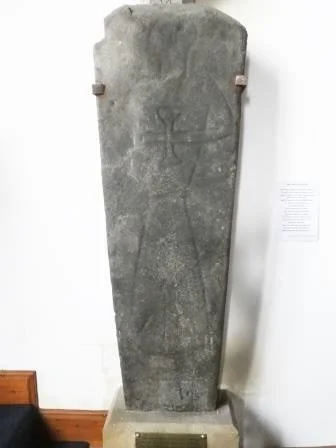
The Angus Stone is on permanent display inside Balquhidder Parish Church. Credit: BGCP
The origins of Angus are obscure. He was believed to have possibly been an 8th-9th century missionary, and a follower of St Columba. Archaeologists have been wary of assigning such an early date to the Angus Stone. The graveslab bears the effigy of a figure holding a long-stemmed chalice, which suggests that he was an ecclesiastic and a pre-Reformation Catholic priest. The carving is crude and simplistic, showing essential features and little else – a round head with eyes, nose and mouth, arms bent holding the chalice in front of his chest, and some item of clothing, presumably part of his vestments, falling from his waist to his ankles.
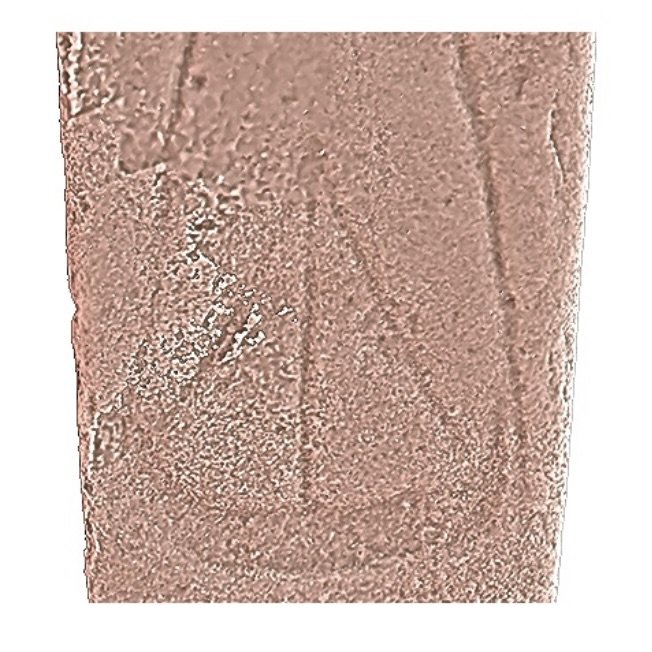
The Angus Stone has been the subject of drawing, stone rubbing, and photography in the past (see here), but it is now weathered and damaged, and has darkened over the centuries, making it difficult to discern some of the detail. This made it an ideal candidate for using a method called photogrammetry to shine new light on an old stone. Photogrammetry creates 3D models from photographs and can be used to capture everything from small objects to entire landscapes, and to reveal details which are difficult to see with the naked eye. When a photogrammetry image of the graveslab was processed (see here), something rather surprising emerged. What had previously been interpreted as a feature of the priest’s vestments, looks very much like a simple representation of a boat, possibly a West Highland galley.
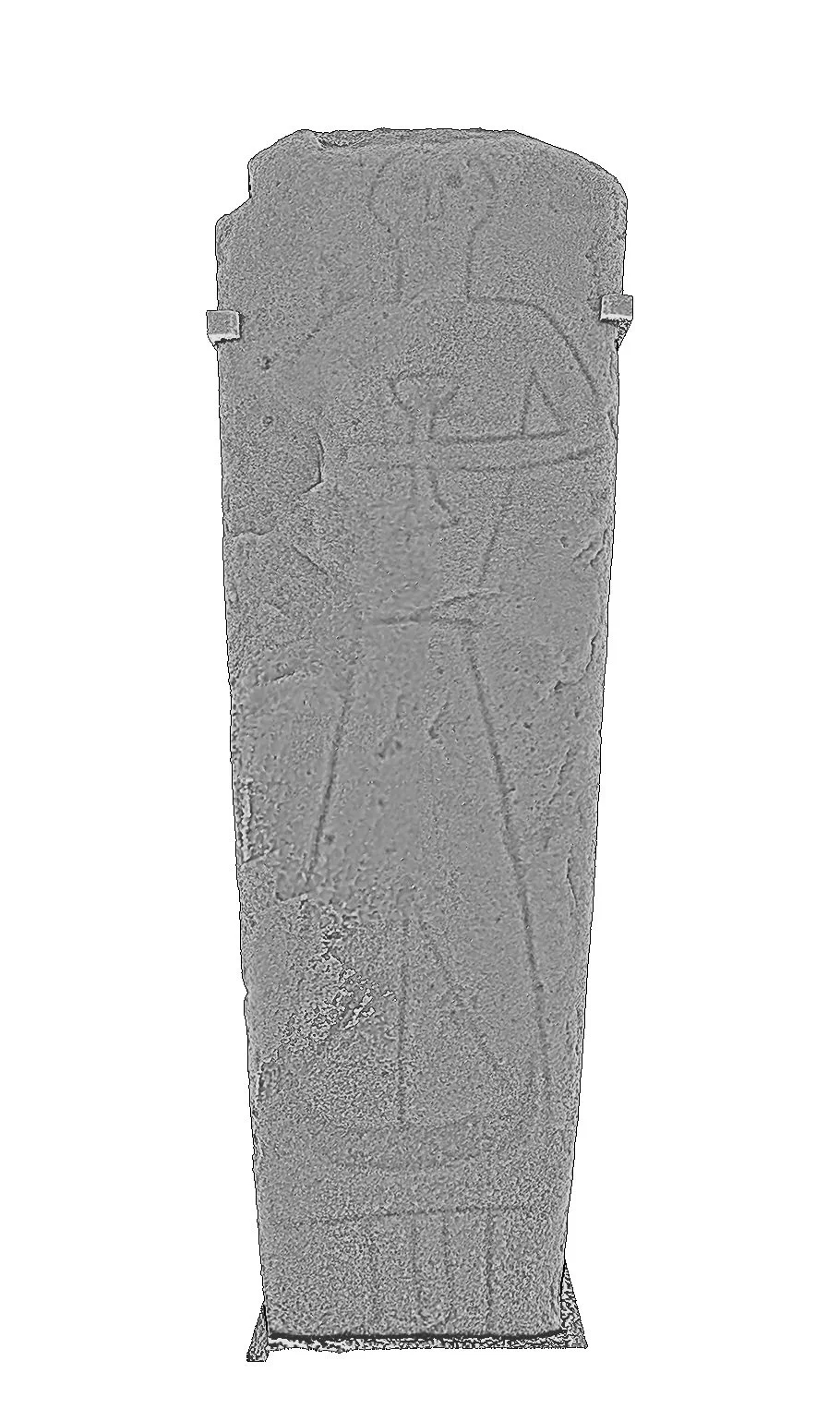
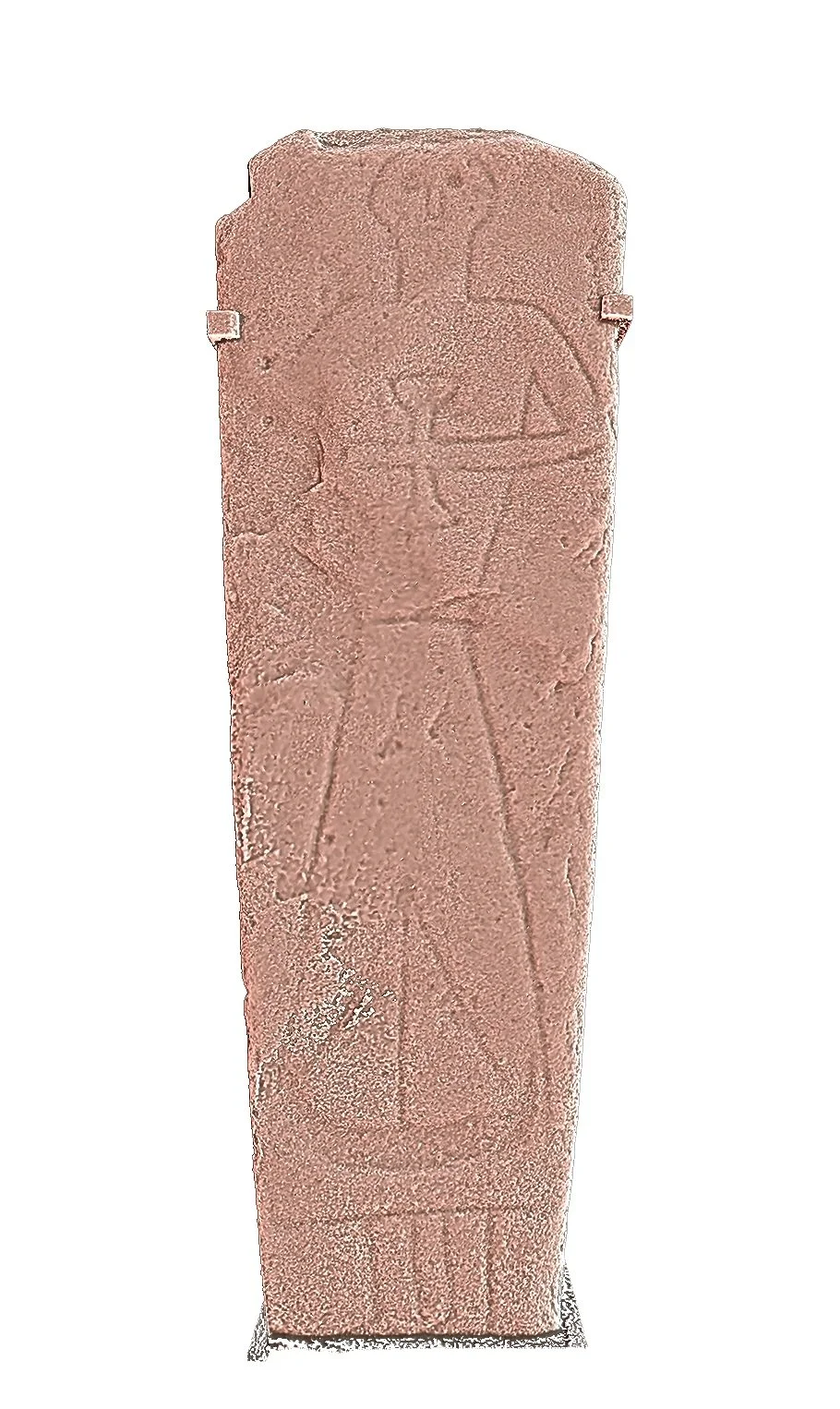
Photogrammetry images of the Angus Stone, Balquhidder. Do these suggest a possible galley just above the hem of the priest’s vestment? Credit: BGCP
As can be seen on the images above, there appears to be the curved hull of a vessel, carved in relief. This is the only part of the graveslab where the technique of carving in relief was used, so adding emphasis to its shape – though also potentially indicating that the vessel might be a later addition.To the right the hull curves up to what appears to be a near-vertical stern-post (lying just inside the line of the priest’s robe), although on this very simplistic carving there is no indication of an attached rudder. Damage to the left side of the stone makes a stem-post at the bow less clearly visible. Above the hull is a triangular design which could be interpreted as the ship’s mast with its fore- and aft-stays.
If this is a galley – and the interpretation is hampered by the crude nature of the carving – there is no sail (either furled or unfurled) and no cross spar from which a square sail would have hung. A note on the Angus Stone in the National Monuments Record of Scotland (NMRS) contains a single comment ‘galley?’ by K A Steer, co-editor of Late Medieval Monumental Sculpture in the West Highlands. However, it does not seem to have resonated. This may have been because symbols such as these are usually found on medieval graveslabs and crosses on the west coast of Scotland, and Balquhidder is a long way from the sea.
So has a West Highland galley been hidden in plain sight on our Angus Stone? Or, is it a case of the eye deceives? We will discuss evidence for and against in Blog 2.
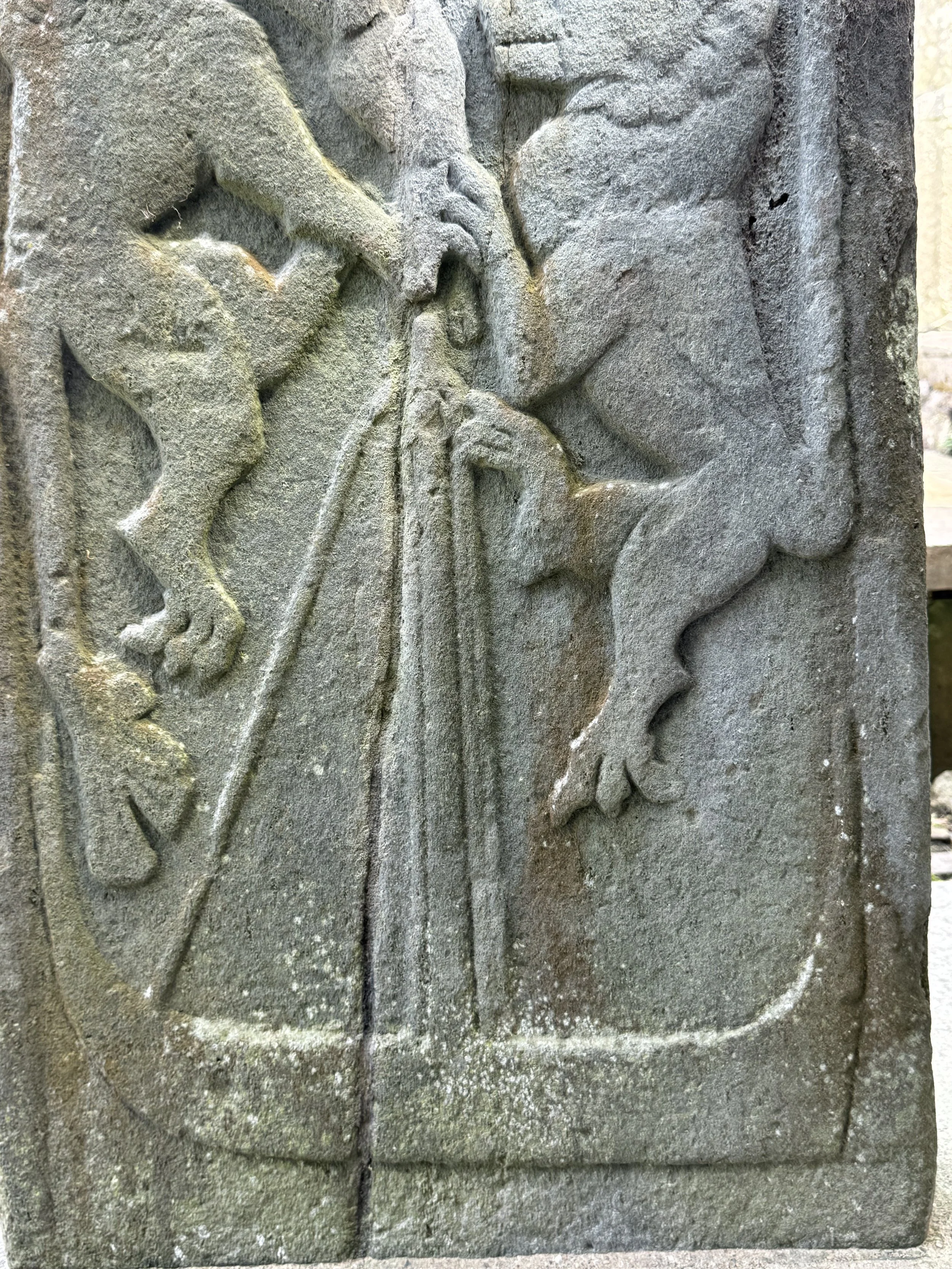
West Highland galleys such as birlinn (small versatile craft used for trade or carrying troops) are found carved on medieval graveslabs and crosses on the islands and mainland of Scotland’s Atlantic seaboard.
1. Angus Stone, Balquhidder Parish Church.Credit: BGCP
2. Cross-shaft dedicated to Prior Eugenius MacDougall (1500), Ardchattan Priory, Lorn. Credit: BGCP
A BGCP preliminary archive description of the Angus Stone can be found here and Steer’s comment ‘galley’ is recorded on I. Fisher’s 1979 list of sculptured stones in Balquhidder graveyard, now found in trove.scot
See here for further information on Angus place-names in the Balquhidder area which suggest veneration of a holy man or perhaps a cult associated with the Irish St Angus of Mouth.
References
Steer, K A and Bannerman J W M (eds) 1977 Late Medieval Monumental Sculpture in the West Highlands. Edinburgh, RCAHMS
Websites
https://www.galleyaileach.org/
https://www.trove.scot/place/24134#details
Extended references see here